Quick Takeaway
Sometimes carpet may need to be replaced after water damage, but not in every case. The water type, exposure time, carpet condition, padding damage, and contamination level all affect the decision. Fast extraction and proper drying can save the carpet.
A soaked carpet can leave you wondering if cleaning will be enough or if you need new flooring. The answer is not always clear, especially when damage extends below the surface.
Replacing carpet too soon can add an expense you may not need. On the other hand, keeping badly damaged carpet can lead to odors, mold, or further problems.
In this blog, we will explain “should carpet be replaced after water damage?” and when cleaning and repair makes more sense. You will also learn what to do before making a final decision.
Factors To Help Decide Whether Carpet Can Be Saved Or Not
Several factors can affect the choice of carpet replacement after water damage. Check the water source, drying time, carpet condition, and padding before replacing anything.
What Type of Water Caused the Damage?
The water source plays a big role in the decision. A clean water leak from a supply pipe may be easier to handle.
Gray water contains some harmful matter and needs more care. Black water can come from sewage, floods, or other dirty sources. It may carry germs and other harmful waste.
Carpet exposed to black water may not be safe to keep. In such cases, removing the carpet and pad may be the safer choice.
How Long Was the Carpet Wet?
Besides the water source, how long it has been wet also matters. Fast water removal gives the carpet a better chance of recovery. Wet carpet can affect the fibers, pad, glue, and floor below. Long delays can also raise the risk of mold and bad smells.
Moisture can move into areas you cannot see. It may reach the padding or subfloor before the carpet feels fully wet. Removing water promptly and drying the area thoroughly can limit further damage.
What Condition Is the Carpet In?
Start by checking the carpet for stains and color changes. Also look for smells, weak fibers, and signs of wear. A carpet that stays strong may still be restored. Its age and past wear can also affect whether water damage restoration makes sense.
Severe damage can change the decision. Carpet that has weakened, shrunk, or lost its shape may not be worth saving. A professional inspection can help you look at the full picture. It can also find damage that is not clear from the surface.
Has the Carpet Padding Been Damaged?
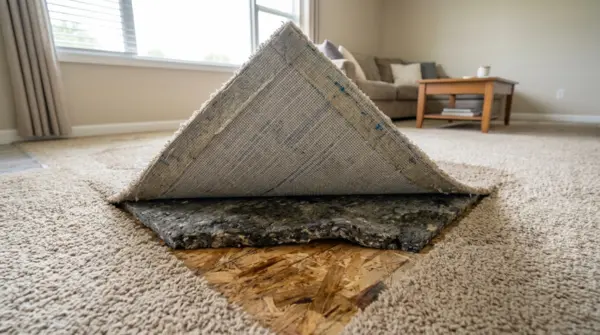
Carpet padding can soak up a lot of water. It may also stay wet after the top layer feels dry. The pad can hold smells and dirty water for a long time. It can also break down when it stays wet for too long.
In some cases, the carpet can stay while the damaged padding must be replaced. This can help prevent odors and moisture from causing more trouble later. The floor below the pad also needs attention. Any trapped moisture should be found and removed before new materials are installed.
Signs Your Carpet May Need To Be Replaced
Some signs may show that the carpet has more serious damage. Look for lasting smells, mold, stains, or changes in the carpet and padding.
Persistent Musty or Unpleasant Odors
A musty smell may mean water remains below the carpet. It can also come from wet padding that has not dried well.
If the smell stays after proper carpet cleaning and drying, check the area again. Hidden moisture may still be present below the surface.
A strong smell can also point to contamination. Do not cover the odor with sprays before finding the source.
Visible Mold or Extensive Discoloration
Mold should not simply be covered or cleaned on the surface. Its presence can point to moisture that stayed in the carpet or pad.
Large stains and strong color changes may also show deeper damage. These signs call for a closer check before you keep the carpet.
Mold can affect more than the visible carpet. It may also grow in damp padding or other nearby materials.
The moisture source must be addressed first. Cleaning without fixing that source may allow the problem to return.
Severe Carpet or Padding Damage
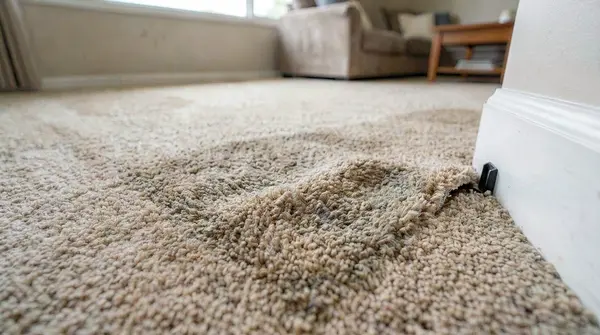
Water can cause carpet to buckle, shrink, or lose its shape. It may also weaken the fibers or damage the backing.
The padding may stay soaked, break down, or hold dirty water. If this happens, replacing the damaged material may be the best choice.
Look for areas that no longer lie flat. Changes in texture or shape can show that the carpet has suffered lasting damage.
The backing also matters when judging the carpet. Damage to this layer can affect how well the carpet holds together.
Contamination From Unsafe Water
Sewage and floodwater can bring harmful waste into your home. Water from these sources may make the carpet unsafe to keep.
A professional check can help you choose the right option. It can show whether cleaning is enough or removal is safer.
Contaminated water needs more care than a clean water leak. It may affect both the carpet and the materials underneath.
Do not assume that drying alone makes contaminated carpet safe. The water source and level of exposure should guide the next step.
What To Do Before Replacing Water-Damaged Carpet
Take these steps before you decide to buy new carpet. They can help limit further damage and show what needs repair.
- Stop the water source if you can do it safely.
- Remove standing water as soon as possible.
- Avoid walking on wet carpet unless needed.
- Check the carpet, pad, and subfloor for damage.
- Dry the wet area fully with proper equipment.
- Take photos and notes if you may file an insurance claim.
- Wait for the area to dry fully before installing new carpet.
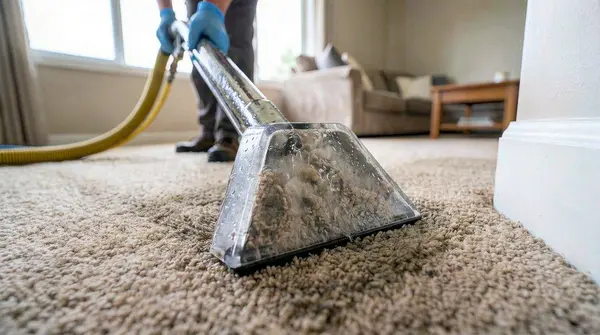
Get Professional Help With Water-Damaged Carpet
Water damage can leave you unsure about whether cleaning will work or replacement is needed. The right choice depends on the water source, how long the carpet stayed wet, the condition of the carpet, and damage to the padding or floor below. If you are asking “Should carpet be replaced after water damage?”, a professional inspection can help you make the right choice.
At TNT Carpet Care, we offer expert water damage repair. Our trained team uses professional equipment to remove water and speed up drying. We focus on careful work, clear communication, and prompt service. We can assess the affected area and help you understand your repair options before you replace your carpet.
Do not wait for wet carpet to cause more damage. Contact us today for professional help.
FAQs
1. How long can wet carpet stay wet before it needs to be replaced?
⇒ Wet carpet should be treated as soon as possible. Long exposure can lead to mold, odors, stains, and material damage. Fast extraction and drying may help save the carpet. A professional check can help decide if restoration is still possible.
2. Can carpet padding be saved after water damage?
⇒ Sometimes, carpet padding can be saved after water damage. The answer depends on the water source, exposure time, and pad condition. Clean water may allow some pads to remain in place. Wet, dirty, damaged, or smelly padding may need replacement.
3. Can you clean carpet after a water leak?
⇒ Yes, you may be able to clean carpet after a leak. First, remove the water and dry the area well. Then the carpet can be cleaned if it remains in good shape. Dirty water may need special care before cleaning begins.
4. Does carpet need to be replaced after a toilet overflow?
⇒ Not every toilet overflow means the carpet must go. The water type, amount, and exposure time all matter. Toilet water can contain harmful contaminants. For that reason, the carpet should be checked before you decide to keep it.
5. Can moldy carpet be restored?
⇒ Moldy carpet may not always be safe to restore. Mold can spread into the carpet backing and padding.
First, fix the moisture source and check the full area. Heavy mold growth or damaged materials may need to be removed.
6. Does carpet need to be replaced after a flood?
⇒ Carpet may need replacement after a flood, especially when floodwater contains sewage, chemicals, dirt, or other contaminants. Extensive exposure can also damage the padding and backing. A professional assessment can determine whether cleaning and drying are suitable or removal is safer.
7. Does wet carpet need to be replaced?
⇒ Wet carpet may not need replacement if the water is clean and the area is dried promptly. The carpet, padding, and subfloor should be checked for damage. If moisture remains too long or contamination occurs, replacing affected materials may be necessary.